Introduction
The Gilgit Baltistan Election 2026 is expected to be one of the most significant political events in the region’s recent history. As a strategically important area located in northern Pakistan, Gilgit Baltistan plays a crucial role in national development, tourism, regional connectivity, and economic growth. The upcoming election is attracting widespread attention from political parties, voters, analysts, and stakeholders who are eager to see how the political landscape will evolve in the coming years.
The election will not only determine the composition of the regional government but will also influence policy decisions related to infrastructure, education, healthcare, employment, and constitutional rights. With increasing political awareness among the people, the 2026 election is expected to witness strong voter participation across the region.
Importance of Gilgit Baltistan Elections
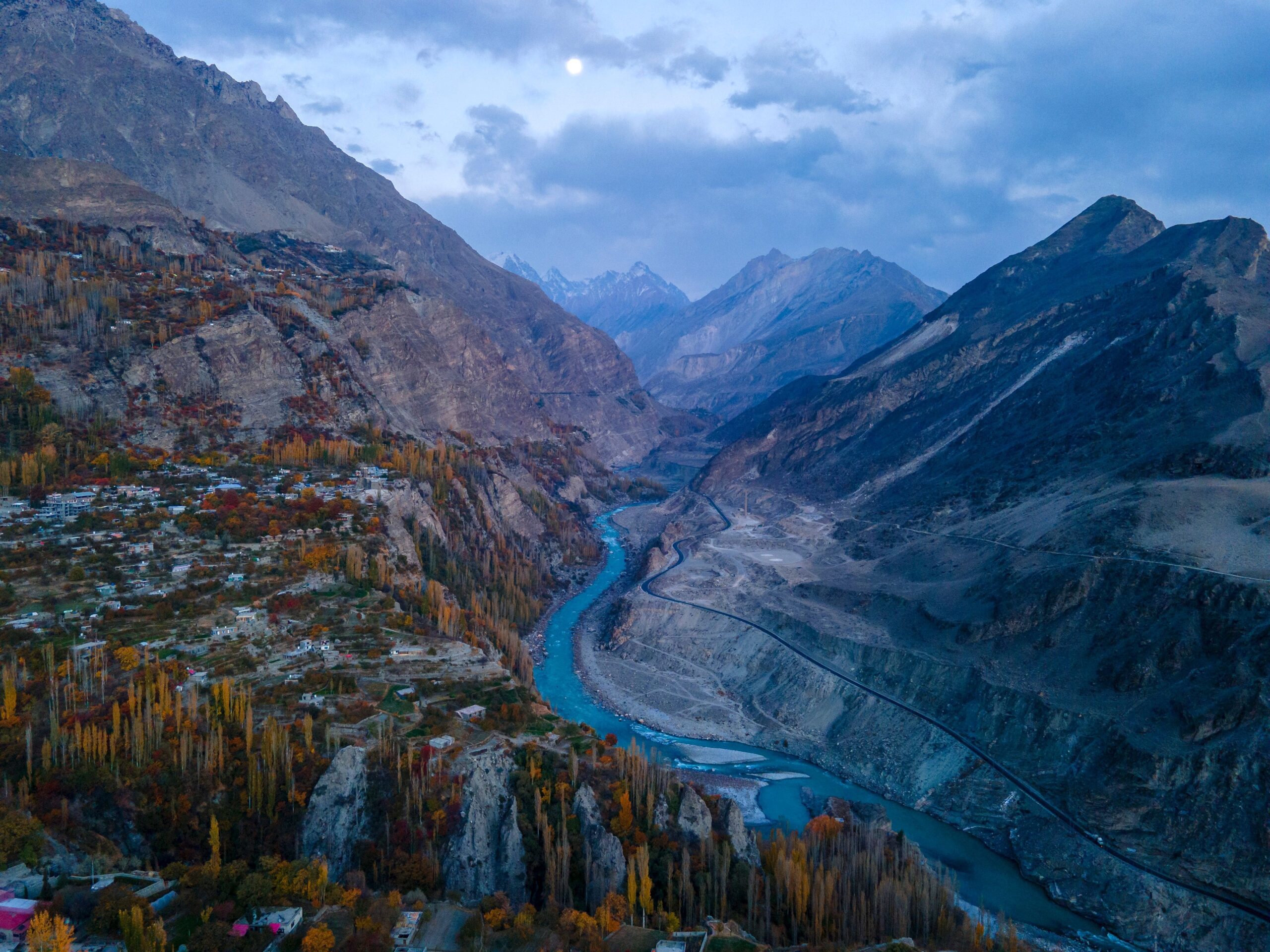
Gilgit Baltistan holds immense strategic and economic significance due to its geographic location and natural resources. The region serves as a gateway to major international trade routes and is home to some of the world’s highest mountain ranges. Gilgit Baltistan Election 2026 provides residents with an opportunity to choose representatives who can address local concerns and advocate for regional development.
The 2026 election comes at a time when citizens are demanding improved governance, economic opportunities, and greater political representation. As a result, political parties are expected to focus heavily on development agendas and public welfare programs.
Political Environment Before the Election
The political environment leading up to the Gilgit-Baltistan Election 2026 is expected to be highly competitive. Various national and regional political parties are likely to campaign aggressively to secure voter support. Political leaders have already started highlighting issues such as infrastructure development, energy projects, tourism promotion, and employment generation.
Public opinion is increasingly shaped by social media platforms, local political gatherings, and community engagement programs. Younger voters, in particular, are expected to play an influential role in determining election outcomes due to their growing political awareness and active participation in civic discussions.
Key Issues in Gilgit Baltistan Election 2026
1. Economic Development
Economic growth remains one of the most important concerns for voters. Residents are seeking better employment opportunities, investment projects, and support for local businesses. Candidates who present practical economic policies may gain a significant advantage during the election campaign.
2. Infrastructure Improvement
Road networks, transportation systems, communication facilities, and public infrastructure continue to be major priorities. Improved connectivity can enhance trade, tourism, and access to essential services throughout the region.
3. Education and Healthcare
Access to quality education and healthcare remains a critical challenge in many parts of Gilgit Baltistan. Voters are expected to evaluate candidates based on their plans to improve schools, colleges, hospitals, and medical facilities.
4. Tourism Development
Gilgit Baltistan Election 2026 is renowned for its breathtaking landscapes, mountains, lakes, and cultural heritage. Tourism contributes significantly to the local economy. Many voters support policies that encourage sustainable tourism while preserving the environment and local traditions.
5. Constitutional and Political Rights
The constitutional status of Gilgit Baltistan continues to be an important topic of discussion. Many residents seek greater political representation and stronger institutional frameworks to address regional concerns effectively.
Role of Youth in the Election
Young voters are expected to have a substantial impact on the Gilgit Baltistan Election 2026. The region has a growing youth population that is increasingly engaged in political debates and public policy discussions. Many young people are advocating for transparency, accountability, digital innovation, and employment opportunities.
Political parties are likely to use social media campaigns, youth engagement programs, and community outreach initiatives to connect with younger demographics. The ability to attract youth support could become a decisive factor in election success.
Election Campaign Strategies
Modern election campaigns are evolving rapidly, and the 2026 election is expected to reflect these changes. Political parties may adopt a combination of traditional and digital campaign strategies, including:
- Public rallies and community meetings
- Social media marketing
- Online voter engagement
- Policy-focused discussions
- Grassroots outreach programs
- Local leadership networks
Candidates who communicate clear visions and practical solutions for regional challenges are likely to resonate with voters.
Challenges Facing the Election Process
Like many democratic processes, the Gilgit Baltistan Election 2026 may face several challenges. These include ensuring fair competition, maintaining transparency, encouraging voter participation, and addressing misinformation on digital platforms.
Election authorities, political parties, civil society organizations, and media institutions all play a vital role in promoting a peaceful and credible electoral process. Effective voter education campaigns can help citizens make informed decisions and strengthen democratic participation.
Potential Impact of the Election
The outcome of the Gilgit Baltistan Election 2026 could shape the region’s political and economic trajectory for years to come. A stable and effective government may accelerate development projects, attract investment, improve public services, and enhance regional governance.
The election results may also influence policy priorities related to tourism, infrastructure, environmental protection, and social welfare. Strong leadership and responsive governance will be essential for addressing the aspirations of the people.
Future Outlook
The future of Gilgit Baltistan depends largely on the policies and leadership that emerge from the 2026 election. Citizens are increasingly focused on development, accountability, and long-term prosperity. Political parties that address these priorities with realistic and actionable plans are likely to gain public trust.
As voter awareness continues to grow, elections are becoming more issue-driven rather than solely personality-driven. This shift reflects a maturing democratic culture where citizens evaluate candidates based on performance, vision, and commitment to public service.
Conclusion
The Gilgit Baltistan Election 2026 represents an important milestone in the region’s democratic journey. With critical issues such as economic development, infrastructure, education, healthcare, tourism, and political representation at the forefront, voters will have a significant opportunity to influence the future direction of the region.
As political parties prepare for a competitive electoral contest, the focus will remain on addressing public concerns and delivering meaningful progress. The election has the potential to strengthen democratic institutions, promote regional development, and create new opportunities for the people of Gilgit Baltistan. Ultimately, the choices made by voters in 2026 will play a crucial role in shaping the region’s future for generations to come.