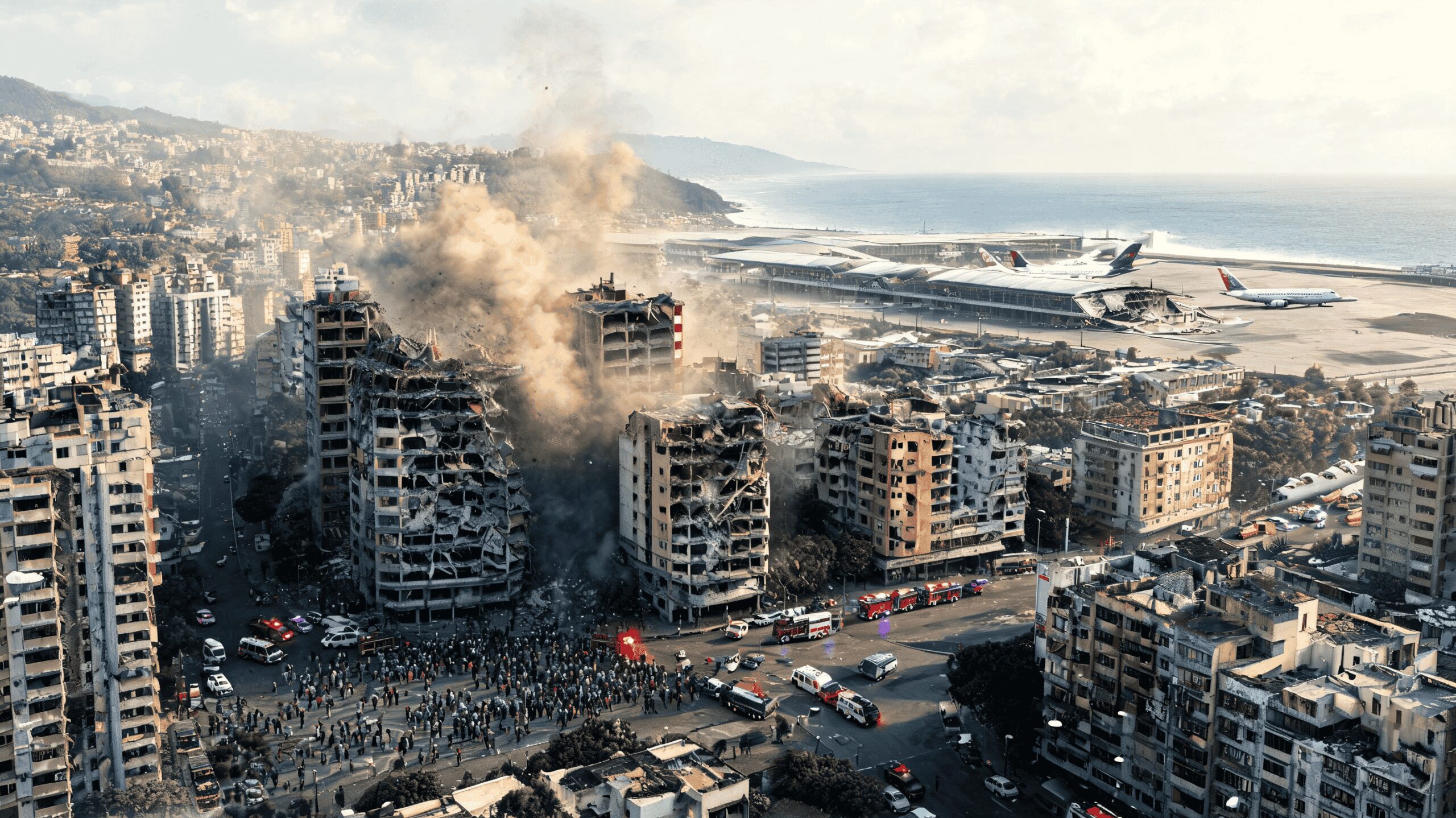
Venezuela Earthquake is reeling after twin, powerful earthquakes struck near the capital Caracas, toppling buildings, shutting down Maiquetía International Airport, and leaving at least 180 people dead and well over 1,000 injured, with officials warning the toll will rise.
Caracas: A pair of powerful earthquakes hit Venezuela within seconds of each other on Wednesday evening, plunging the country into chaos as buildings crumbled, power lines snapped, and terrified residents fled into the streets of the capital, Caracas.
The first Venezuela Earthquake, estimated at around magnitude 7.2, struck west of the capital, followed less than a minute later by an even stronger tremor measuring about 7.5, a rare and dangerous sequence that amplified the destruction. Shallow in depth and close to densely populated areas, the Venezuela earthquake shook high‑rise towers, ripped open roads, and triggered landslides across north‑central Venezuela.
By Thursday afternoon, authorities reported at least 180 deaths and more than 1,500 injuries nationwide. However, many people remain trapped in collapsed buildings, and the final numbers are expected to be significantly higher.
Panic in Caracas as buildings sway and sirens wail
In Caracas, normally gridlocked and noisy, the soundscape shifted in an instant to breaking glass, car alarms, and distant sirens. Residents described the sensation of the ground “rolling” beneath them as apartment blocks swayed and furniture pitched across rooms.
Videos shared on social media showed terrified families huddled in the open, barefoot and clutching children, as aftershocks rippled through the city and kept people from returning to damaged homes. Dozens of residential buildings and office towers suffered visible structural damage in the capital and in nearby coastal areas, with several reported collapses in older concrete structures.
Authorities declared a state of emergency in multiple central and coastal states, urging people to stay away from visibly cracked buildings and hillside neighborhoods at risk of landslides as aftershocks continue to rattle the region.
Maiquetía Airport shuts down after dramatic shaking
One of the most dramatic scenes unfolded at Simón Bolívar International Airport in Maiquetía, the main gateway to Caracas. Airport security cameras and cellphone videos captured ceiling tiles crashing down, glass shattering, and crowds surging for exits as the terminal violently shook.
Officials later confirmed extensive structural damage at the airport, including cracked walls, buckled floors, and damage to jet bridges and runways, prompting a full suspension of commercial flights. Emergency teams are inspecting terminals, control towers, and fuel facilities amid concerns that weakened structures could fail in strong aftershocks.
The shutdown of Maiquetía effectively isolated Caracas from much of the world overnight, delaying international aid flights and forcing airlines to divert or cancel routes into the country.
Region on edge: Aruba and neighbors assess impact
The powerful Venezuelan quakes were felt across the Caribbean, including on the nearby island of Aruba, where residents reported strong, prolonged shaking and brief power disruptions. Local authorities said initial assessments showed no major damage on the island, but officials swiftly activated emergency protocols and began preparing humanitarian support for the Venezuela earthquake.
Aruba’s government announced it is coordinating with regional partners to send relief supplies and possibly medical teams once conditions allow, with particular attention to the status of Maiquetía International Airport, the likely hub for incoming aid. Plans to resume or expand regular flights between Aruba and Venezuela earthquake are now on hold while engineers evaluate the airport’s condition.
Lives upended as search and rescue race against time
Across Venezuela, especially in Caracas and nearby coastal states, search‑and‑rescue operations continued through the night and into Thursday as teams combed through rubble with excavators, sniffer dogs, and bare hands.
Authorities believe more than 200 people may still be trapped in collapsed or heavily damaged structures, including apartment blocks, small businesses, and public buildings. Schools in affected regions have been closed indefinitely, with some campuses converted into temporary shelters for families who lost homes or are afraid to return to cracked buildings.
Hospitals in Caracas and surrounding areas are overwhelmed with trauma cases, fractures, and crush injuries, treating many patients in corridors and makeshift outdoor triage areas because of damaged facilities and power cuts.
Maps, fault lines, and a history of Venezuelan Earthquake
The twin quakes struck along a complex network of faults that crisscross northern Venezuela, a region where tectonic plates grind against each other and periodically release significant seismic energy. Seismic maps already marked this corridor—stretching from central coastal states toward Caracas—as an area of elevated Venezuela Earthquake risk.
While Venezuela has experienced large Venezuela earthquakes in the past, experts noted that two major, shallow events occurring within seconds of each other near densely populated urban centers is an especially dangerous scenario, significantly increasing shaking intensity and structural stress. They warned that strong aftershocks are likely to continue for days or weeks and urged residents to follow official guidance on safe evacuation routes and assembly points.
Government response and international aid
Venezuela’s leadership addressed the nation on television, declaring a national state of emergency and pledging that all available resources would be mobilized for rescue and recovery. Authorities announced the deployment of military units, civil protection teams, and health brigades to the worst‑hit areas, with priority given to search‑and‑rescue operations and restoring essential services like water and electricity.
International organizations and foreign governments began offering assistance within hours of the disaster, ranging from urban search‑and‑rescue teams to medical supplies, temporary shelters, and technical support for damage assessment. Much of that aid is expected to funnel through coastal entry points such as Maiquetía once airport infrastructure is deemed safe for large relief flights.
What happens next
As day breaks over Venezuela, the full extent of the damage is only beginning to emerge. Early damage assessments suggest widespread destruction across several states, with a particular concentration of collapsed structures in older neighborhoods and hillside communities already vulnerable to landslides and infrastructure failures.
For millions of Venezuelans, Thursday began not with a commute to work or school, but with hours spent in lines for water, in shelters or outside their damaged homes, waiting to see if the walls will hold through the next aftershock. In Caracas and beyond, the urgent questions are now painfully simple: how many people are still under the rubble, how quickly can emergency teams reach them, and how long it will take for the country to rebuild after one of the most destructive Venezuela earthquake in its recent history.