Introduction
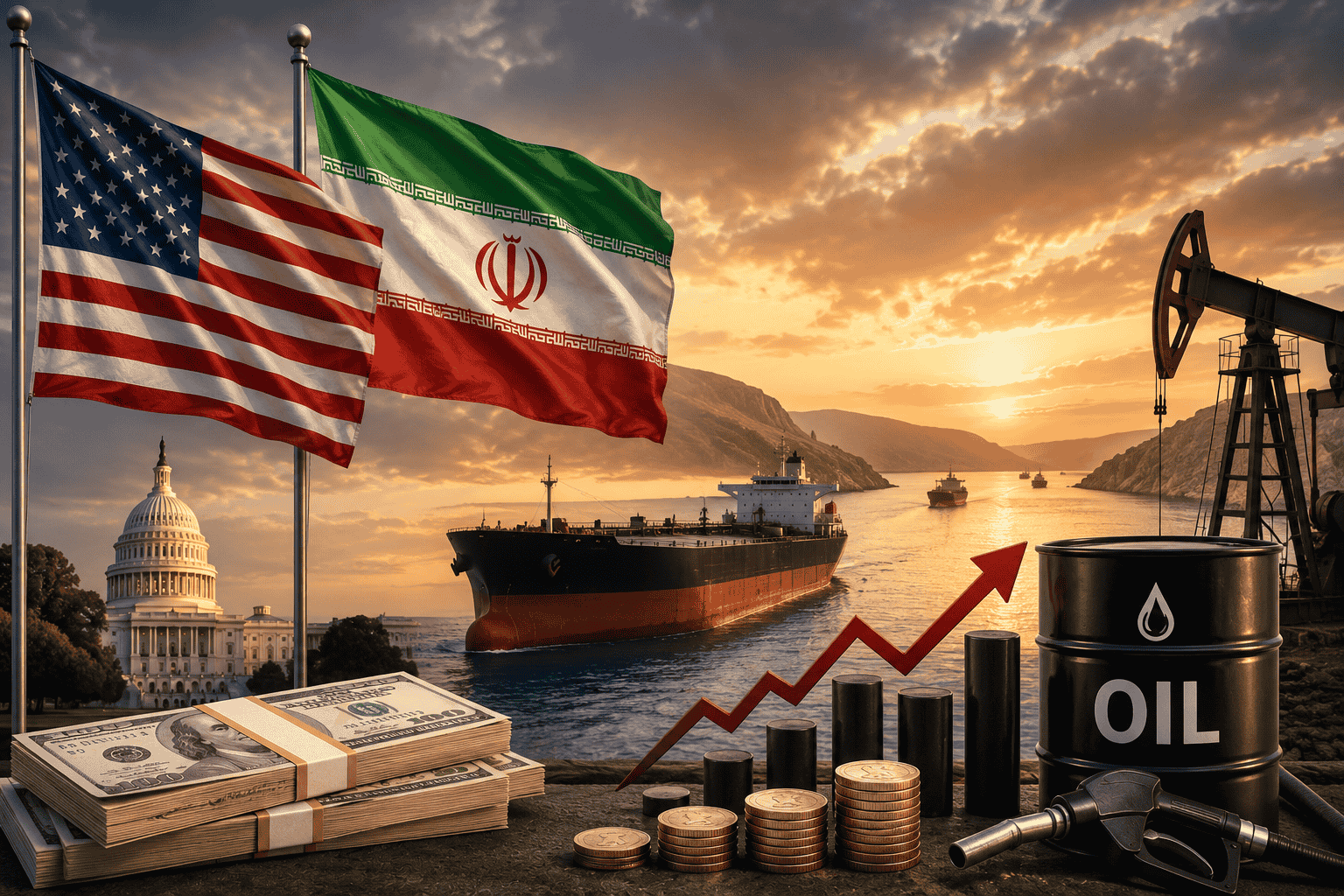
The US–Iran crisis in 2026 has become one of the most important geopolitical and economic stories of the year. Rising tensions between Washington and Tehran, combined with instability around the Strait of Hormuz, are creating uncertainty for global energy markets and global trade policies.
The United States has intensified economic pressure on Iran through new sanctions targeting areas connected to Iran’s economy, including shipping, aviation, technology, gold and digital assets.
For Americans, however, the biggest concern may not be the sanctions themselves. The major issue is what happens to oil prices, gasoline, transportation, inflation and household expenses if disruptions around the Strait of Hormuz continue.
Why the US–Iran crisis Matters to Americans
Iran is an important player in the global energy market, but the significance of the current crisis goes beyond Iranian oil production.
The Strait of Hormuz is one of the world’s most strategically important energy routes. Large quantities of oil and other energy products normally pass through this narrow waterway.
Any prolonged disruption can increase shipping costs, create fears about supply shortages and push crude oil prices higher.
Oil markets have remained highly sensitive to developments involving Iran and the Strait of Hormuz. For American consumers, changes in crude oil prices can eventually affect gasoline, diesel, transportation and products that depend on energy.
New US–Iran Crisis Sanctions Increase Economic Pressure
The latest US–Iran crisis strategy represents an escalation of economic pressure on Iran.
The sanctions are designed to restrict Iran’s ability to generate revenue and limit its access to international financial networks.
The measures focus on areas such as shipping, oil-related activities, technology, aviation, gold and digital assets.
The goal is to put economic pressure on Tehran and encourage changes in its policies.
However, the effectiveness of sanctions depends on how other countries and international businesses respond. Iran may also attempt to use alternative financial networks, trading partners and shipping arrangements to reduce the impact.
US–Iran Crisis – Oil Prices Are the Biggest Concern
The most immediate economic issue for Americans is energy.
When markets fear that oil supplies could become less reliable, crude prices can rise even before an actual shortage occurs.
The Strait of Hormuz is particularly important because of the large volume of Middle Eastern energy that normally moves through the region.
If maritime traffic becomes increasingly restricted, shipping companies may need to use longer and more expensive routes. This can add further pressure to global energy prices.
If tensions decrease and normal shipping resumes, oil prices could fall just as quickly.
What Higher Gasoline Prices Could Mean
Higher crude oil prices can eventually increase costs throughout the fuel supply chain.
For American drivers, the most noticeable effect would be at the gas station.
Higher gasoline prices can reduce household spending power because families have less money available for restaurants, entertainment, shopping and other purchases.
Diesel prices are equally important because trucks transport a huge amount of goods across the United States.
When transportation companies pay more for fuel, some of those costs can eventually be passed on to consumers through higher prices for food, clothing, electronics and other products.
Therefore, an oil disruption can affect Americans even if they rarely drive.
Inflation Could Become Another Problem
Energy prices have an important relationship with inflation.
Higher fuel prices can increase transportation expenses, while expensive energy can raise operating costs for manufacturers, farmers and other businesses.
This creates the possibility of secondary inflation, where an energy shock gradually affects prices across different parts of the economy.
The Federal Reserve could also face a difficult situation if energy prices rise sharply.
Higher inflation could make it harder for policymakers to reduce interest rates, while increased energy costs could weaken consumer spending and economic growth.
American Businesses Could Face Higher Costs
Small businesses may feel the effects particularly quickly.
Restaurants depend on transportation for food deliveries. Construction companies need fuel for vehicles and equipment. Airlines face higher jet-fuel expenses. Delivery companies must pay more to transport packages.
Large corporations may have more opportunities to manage energy-price increases, but smaller businesses often have less financial flexibility.
If higher costs continue for months, companies may respond by raising prices, reducing expenses or delaying expansion.
Airlines and Travel Could Be Affected
Oil disruptions can also influence the American travel industry.
Jet fuel is a major operating expense for airlines. A sustained rise in energy prices could put upward pressure on airfare.
International shipping can also become more expensive when vessels take longer routes to avoid dangerous areas.
That can increase the cost of imported goods entering the United States.
For American travelers, the effects of the US–Iran crisis could therefore appear not only at gas stations but also in airfares, travel expenses, and imported products.
Could the US–Iran Crisis avoid a Major Energy Shock?
The United States is in a stronger position than it was during some previous energy crises because domestic oil and gas production is substantial.
The country also maintains strategic petroleum reserves that can potentially be used during serious supply disruptions.
Additional production from other oil-producing countries and alternative transportation routes can also reduce some pressure.
However, these measures cannot completely eliminate the impact of a major disruption around Hormuz.
Oil is traded in a global market, meaning American consumers can still be affected by international supply problems even when the United States produces large quantities of energy.
Iran’s Response Could Determine What Happens Next
One of the biggest uncertainties is how Tehran responds to increased US–Iran crisis pressure.
Iran could attempt to increase pressure around the Strait of Hormuz, restrict energy exports or seek alternative trading arrangements.
A major escalation could push oil prices significantly higher.
On the other hand, successful diplomatic negotiations could reduce market fears and help stabilize energy prices.
This makes diplomacy one of the most important factors to watch.
Three Possible Economic Scenarios
1. De-escalation
If the United States and Iran reach a diplomatic agreement and shipping conditions improve, oil prices could decline. This would reduce pressure on gasoline prices and inflation.
2. Prolonged Disruption
If the current situation continues without a major escalation, energy prices could remain volatile. American consumers and businesses would face continued uncertainty.
3. Major Escalation
A broader conflict or severe disruption of the Strait of Hormuz could create a much larger global energy shock. Oil prices could rise rapidly, increasing inflation and putting pressure on economic growth.
What Americans Should Watch
The most important indicators over the coming weeks include:
- Crude oil prices
- U.S. gasoline prices
- Shipping activity around the Strait of Hormuz
- New U.S. sanctions
- Iranian oil exports
- Diplomatic negotiations
- U.S. inflation data
- Federal Reserve interest-rate decisions
- Responses from China and other major Iranian trading partners
The situation can change quickly, so consumers should avoid making major financial decisions based solely on short-term headlines.
Conclusion
The US–Iran crisis in 2026 is much more than a foreign-policy confrontation. It has the potential to affect everyday American life through energy prices, inflation, transportation costs, travel, and household spending.
The latest sanctions represent increased economic pressure on Tehran, while continued uncertainty around the Strait of Hormuz keeps global energy markets sensitive to developments in the region.
For Americans, the biggest question is whether the crisis moves toward negotiation or further escalation.
If tensions ease, oil prices could stabilize and some economic pressure could disappear quickly. If disruptions continue or become more severe, higher fuel costs could spread throughout the economy.
The coming weeks will therefore be critical. The U.S.–Iran confrontation demonstrates how geopolitical events can influence global markets—and how a crisis thousands of miles away can eventually affect the wallets of American consumers.