FDA Issues Potato Chip Salmonella Warning: Here’s Why It Matters
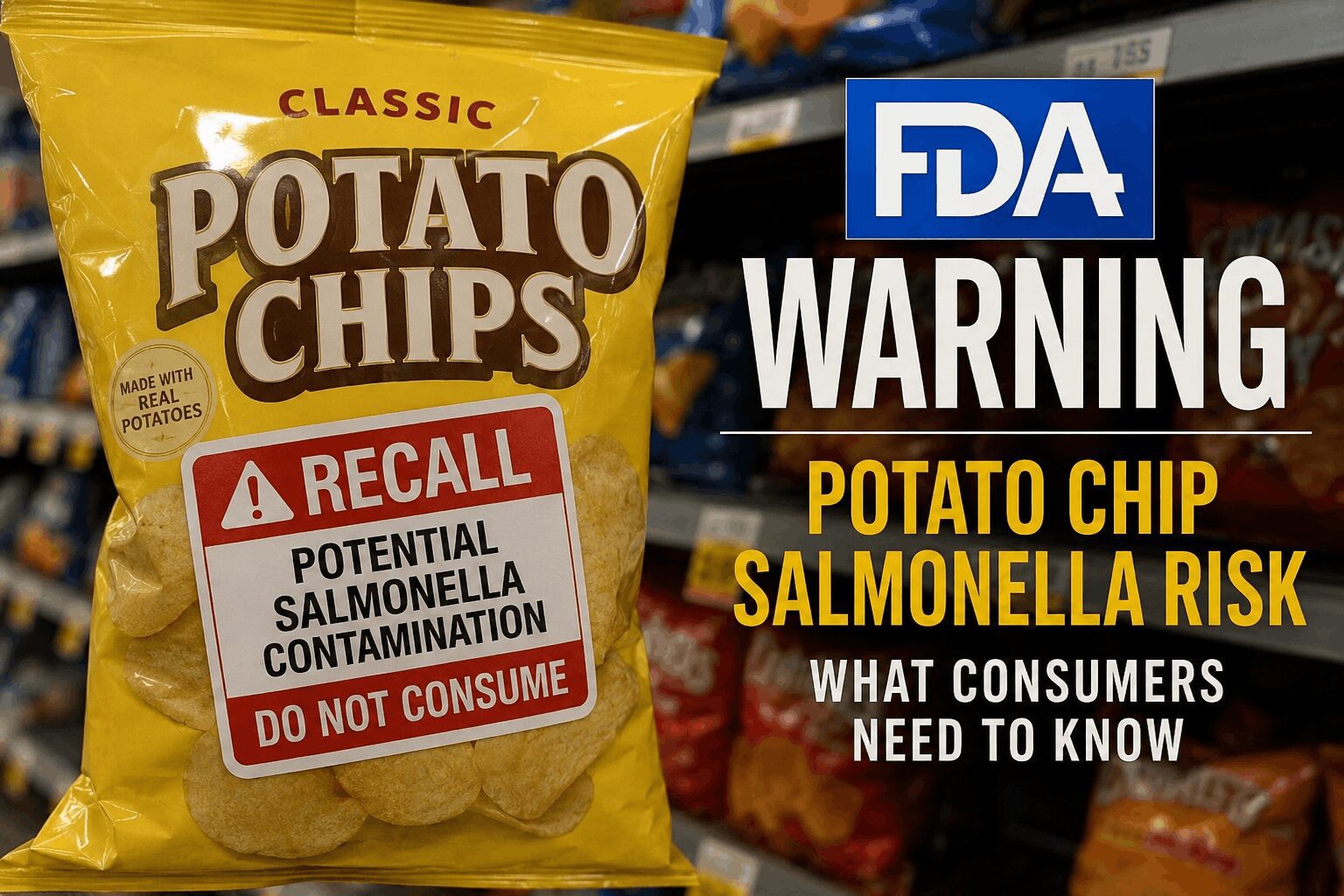
The U.S. Food and Drug Administration (FDA) has issued a potato chip salmonella warning following the recall of selected potato chip products that may be contaminated with Salmonella. The announcement has raised concerns among consumers across the United States, especially because potato chips are one of the country’s most popular snack foods.
Food recalls involving Salmonella are taken seriously because the bacteria can cause severe illness, particularly in children, older adults, pregnant women, and people with weakened immune systems. Consumers are advised to check their pantry immediately and avoid consuming any recalled products until they have verified whether they are affected.
This article explains everything U.S. consumers need to know about the FDA potato chip salmonella warning, including the health risks, symptoms, recall process, consumer guidance, and food safety tips.
What Is the FDA Potato Chip Salmonella Warning?
The FDA announced a recall after routine testing or product investigation identified the potential presence of Salmonella in certain potato chip products. The recall aims to protect public health by removing potentially contaminated products from the market before they cause widespread illness.
Affected products may have been distributed through grocery stores, convenience stores, supermarkets, online retailers, and regional distributors throughout multiple U.S. states.
Consumers should always verify:
- Product name
- Brand
- Package size
- Lot number
- Best-by date
- UPC
These details are typically listed on the official FDA recall notice.
What Is Salmonella?
Salmonella is a harmful bacterium that causes foodborne illness, commonly known as salmonellosis. It spreads through contaminated food, water, or contact with infected animals.
Although Salmonella is more commonly associated with poultry, eggs, dairy products, fruits, vegetables, peanut butter, spices, and flour, packaged snack foods can also become contaminated during manufacturing or packaging.
Even products that appear fresh, sealed, or normal can contain harmful bacteria.
Symptoms of Salmonella Infection
Symptoms usually develop between 6 hours and 6 days after consuming contaminated food.
Common symptoms include:
- Diarrhea
- Fever
- Stomach cramps
- Nausea
- Vomiting
- Chills
- Headache
- Muscle aches
Most healthy adults recover within 4 to 7 days without specific treatment.
However, severe infections can require hospitalization if the bacteria spread into the bloodstream.
Who Is Most at Risk?
The FDA warns that certain groups face a higher risk of serious complications.
These include:
- Children under five years old
- Adults aged 65 and older
- Pregnant women
- People undergoing cancer treatment
- Organ transplant recipients
- Individuals with diabetes
- People with weakened immune systems
These individuals should seek medical attention promptly if they develop symptoms after eating recalled products.
Why Are Potato Chips Being Recalled?
Food recalls occur whenever there is evidence that a product may pose a health risk.
Possible reasons include:
- Positive laboratory testing
- Environmental contamination inside manufacturing facilities
- Contaminated ingredients
- Equipment sanitation failures
- Supplier quality issues
- Routine FDA inspections
In many cases, recalls are initiated voluntarily by manufacturers working alongside the FDA before widespread illnesses occur.
This proactive approach helps reduce consumer exposure and strengthens food safety.
What Should Consumers Do?
If you believe you purchased one of the recalled potato chip products, follow these recommendations immediately:
1. Stop Eating the Product
Do not consume the chips even if they look, smell, and taste normal.
2. Check Recall Information
Compare the product’s:
- Brand
- Flavor
- Lot code
- Best-by date
- Package size
with the official recall announcement.
3. Dispose of the Product
Place the recalled chips in a sealed bag before discarding them.
Avoid giving recalled food to pets because salmonella can also infect animals.
4. Clean Storage Areas
Wash shelves, containers, and surfaces where the chips were stored using hot soapy water followed by a sanitizing solution.
5. Monitor Your Health
Watch for symptoms over the next several days.
Contact a healthcare provider if severe symptoms develop.
How the FDA Handles Food Recalls
The FDA works closely with food manufacturers, distributors, retailers, and state health departments whenever contamination is suspected.
The recall process generally includes:
- Identifying contaminated products
- Removing products from store shelves
- Publishing public recall notices
- Monitoring recall effectiveness
- Investigating contamination sources
- Recommending corrective actions
This coordinated effort helps reduce foodborne illnesses across the United States.
Why Salmonella Contamination Happens
Although snack foods are generally considered low-risk, contamination can still occur.
Potential causes include:
Contaminated Ingredients
Seasonings, spices, dairy powders, or other ingredients may carry harmful bacteria.
Manufacturing Equipment
Improperly cleaned equipment can spread bacteria between production batches.
Cross-Contamination
Food processing lines handling multiple products may accidentally transfer bacteria.
Packaging Issues
Unsanitary packaging environments may introduce contaminants after cooking.
Food manufacturers use strict quality control procedures to minimize these risks.
Food Safety Tips for American Families
Consumers can lower their risk of foodborne illness by following several simple habits.
Stay Informed
Regularly review FDA food recall announcements.
Read Product Labels
Keep product packaging until the food has been consumed.
Practice Good Hygiene
Wash hands before handling food.
Store Foods Properly
Keep dry snacks in clean, sealed containers.
Throw Away Recalled Products
Never taste recalled food to determine whether it is safe.
Economic Impact of Food Recalls
Food recalls affect more than consumers.
Manufacturers often experience:
- Financial losses
- Product disposal costs
- Legal expenses
- Supply chain disruptions
- Reduced consumer confidence
- Brand reputation damage
Retailers must also remove affected products, notify customers, and coordinate returns.
How Consumers Can Stay Updated
Food recalls can happen at any time.
Consumers should:
- Follow FDA food recall announcements.
- Register for food safety alerts.
- Monitor local health department notices.
- Keep purchase receipts when possible.
- Check product lot numbers before consuming recalled items.
Early awareness helps reduce the risk of illness.
Frequently Asked Questions
Can cooking potato chips remove salmonella?
No. Recalled packaged potato chips should never be eaten, regardless of whether they are reheated.
Can pets become infected?
Yes. Dogs and cats can become sick after eating contaminated food.
What should I do if I already ate the recalled chips?
Monitor yourself for symptoms. If severe diarrhea, dehydration, persistent vomiting, or high fever develops, seek medical care immediately.
Should unopened bags be returned?
Many retailers offer refunds or replacements for recalled products. Follow the instructions provided in the recall notice.
Final Thoughts
The FDA potato chip salmonella warning highlights the importance of food safety, even for packaged snack foods that many consumers consider low risk. Although recalls can be concerning, they are a critical part of the U.S. food safety system designed to protect public health.
Consumers should check whether any potato chips in their pantry are included in the recall, avoid eating affected products, and follow the FDA’s disposal or return instructions. Staying informed about recalls, practicing proper food safety habits, and responding quickly to official warnings can significantly reduce the risk of foodborne illness.
As food safety monitoring continues to improve, prompt cooperation between manufacturers, retailers, regulators, and consumers remains essential for keeping America’s food supply safe.